

The rapid rise of artificial intelligence has created an unprecedented demand for AI-ready data center infrastructure. From large language models to GPU-intensive workloads, companies like OpenAI and Anthropic are driving a surge in compute requirements that traditional data centers simply cannot support.
Today, the biggest constraint in AI isn’t hardware—it’s access to power and land.
AI data center development now requires:
- High-density power (40MW+)
- Scalable land for expansion
- Infrastructure capable of supporting liquid-cooled GPU clusters
This shift has transformed how companies evaluate and secure data center sites across the United States.
⚡ Why 40MW+ Sites Are the New Standard for AI & HPC
Modern AI deployments—especially those involving training clusters—require massive, continuous energy consumption.
Companies such as CoreWeave and Lambda are rapidly expanding their infrastructure footprint to support GPU-as-a-service platforms and enterprise AI workloads.
A 40MW baseline is now considered:
- The minimum viable scale for meaningful AI deployments
- Ideal for phased campus expansion (40MW → 100MW+)
- Attractive for both private AI labs and hyperscale cloud providers
These sites allow operators to deploy quickly while maintaining flexibility for future growth.
🌎 Top U.S. Markets for AI Data Center Development
Oregon: Low-Cost, Renewable Power Hub

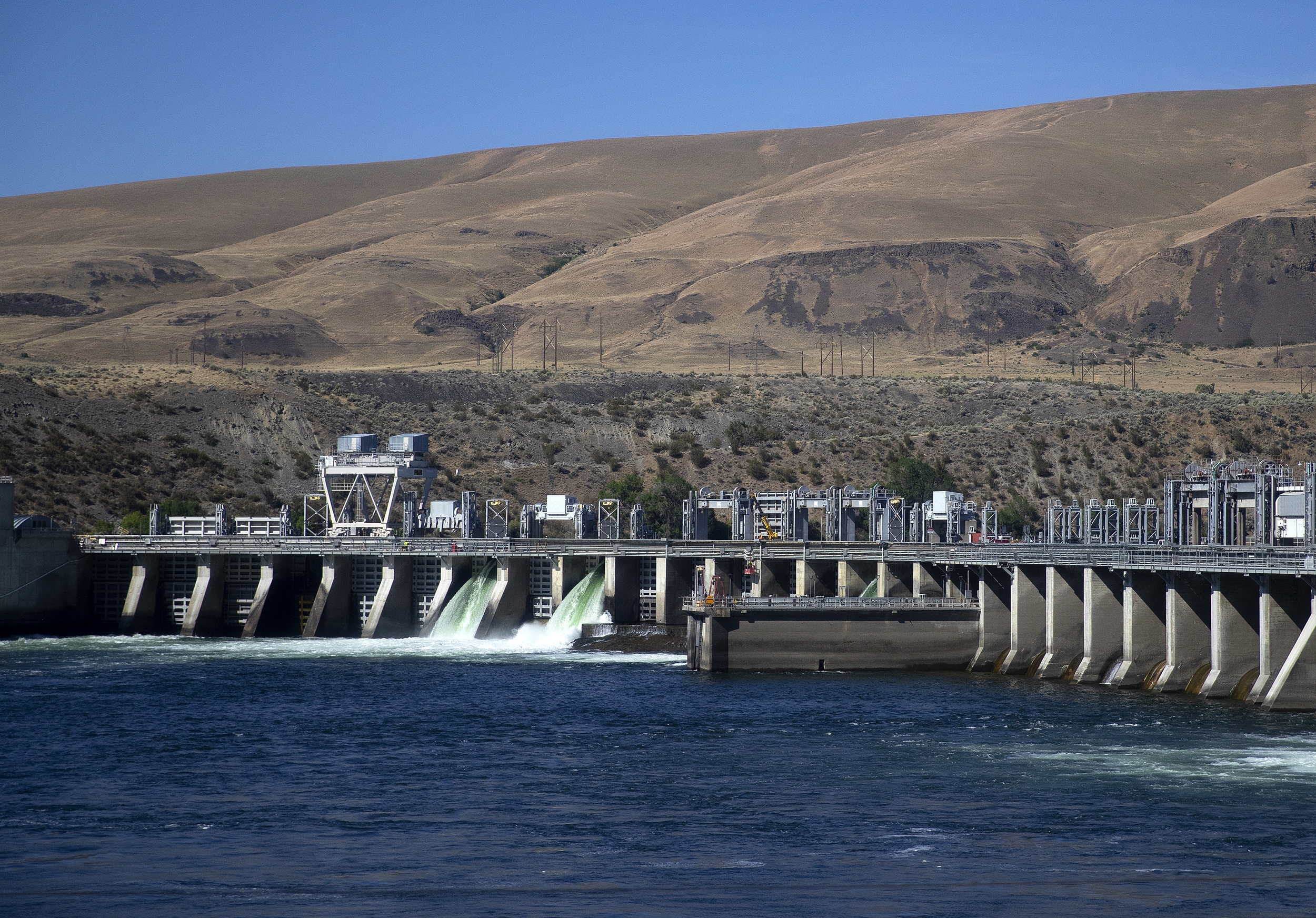

Oregon has emerged as one of the most attractive regions for AI infrastructure due to:
- Access to low-cost hydroelectric power
- Favorable climate for cooling
- Strong fiber connectivity
- Established data center ecosystem
For AI developers, Oregon offers a rare combination of sustainability + scalability.
Texas: Scalable Power & Massive Expansion Potential
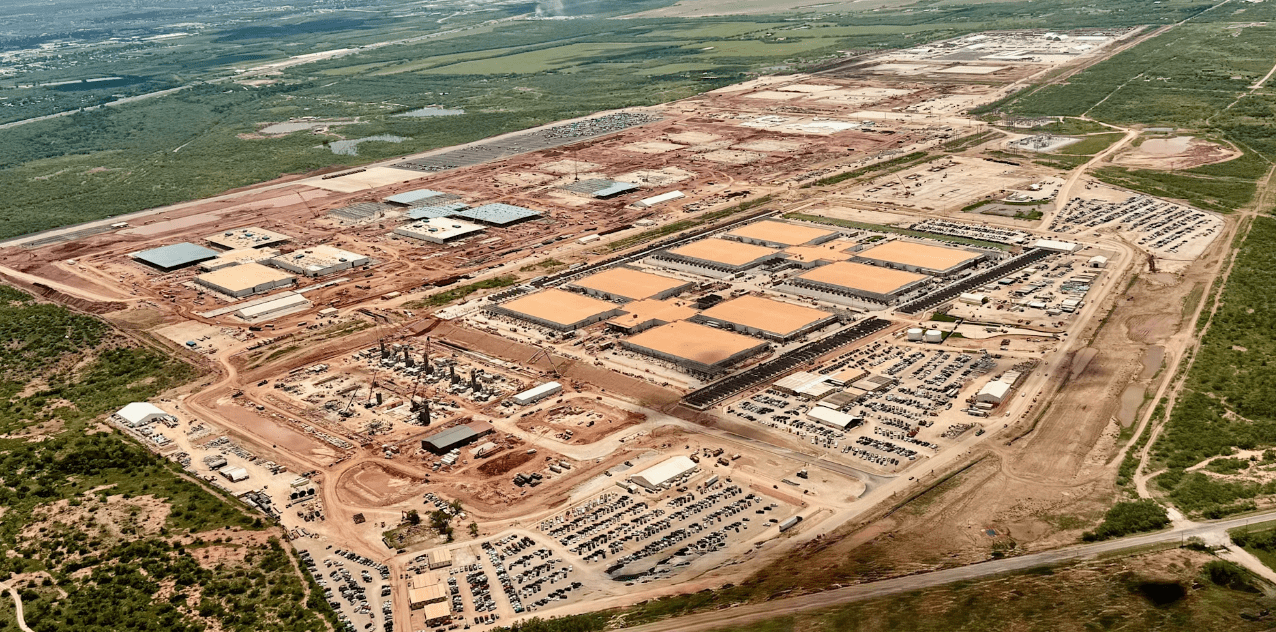
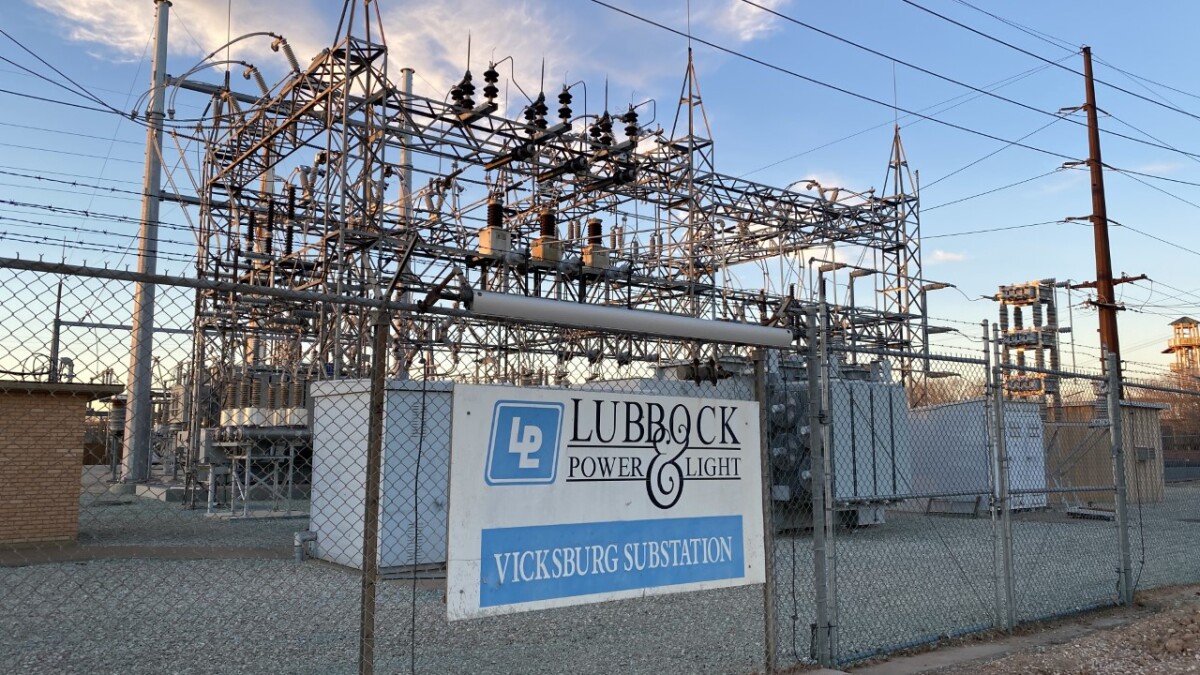
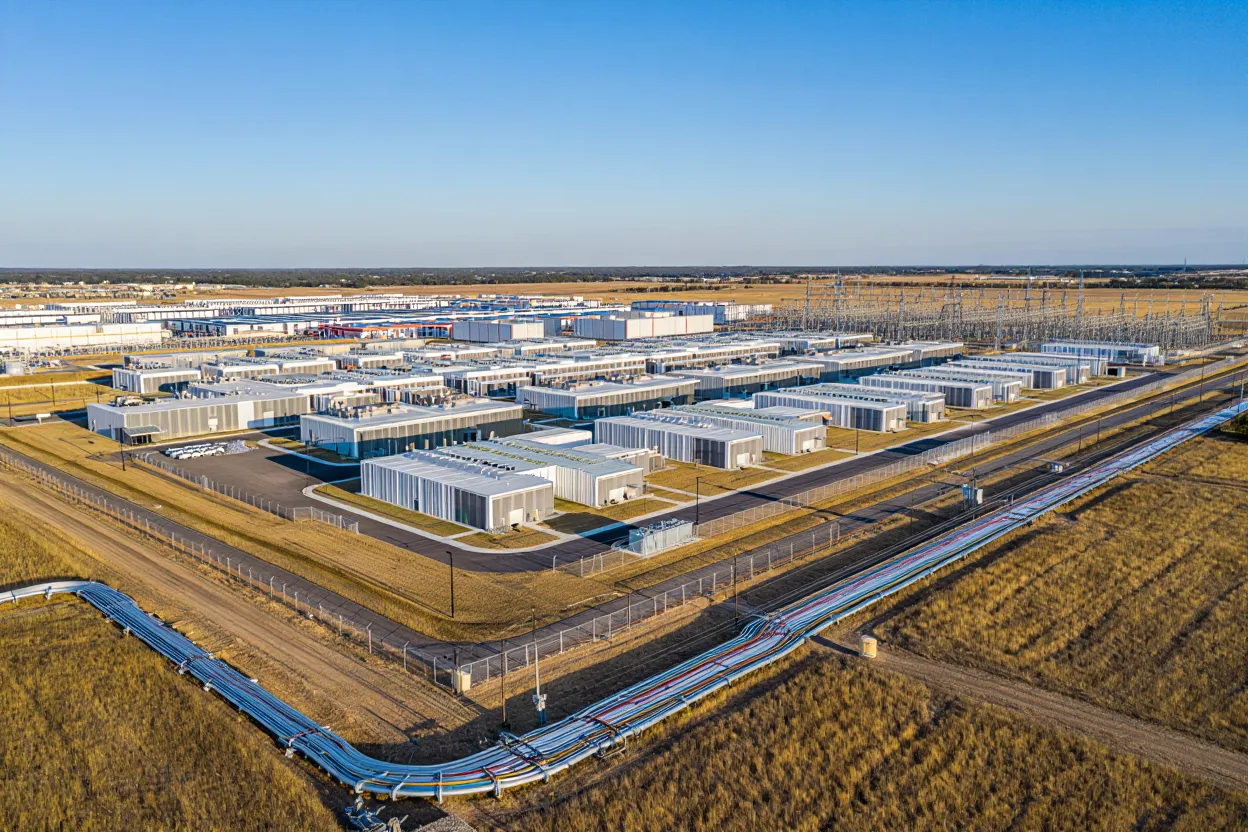
Texas continues to dominate as a premier location for large-scale AI deployments:
- Competitive energy pricing via ERCOT
- Abundant land for hyperscale campuses
- Rapid interconnection timelines
- Flexible regulatory environment
Major cloud providers like Oracle and Microsoft are actively expanding their presence in Texas to support AI growth.
🏗️ What Makes a Site “AI-Ready”?
Not all data center sites are created equal. For AI and HPC workloads, key requirements include:
✅ Power Infrastructure
- Minimum 40MW capacity
- Utility-backed interconnection
- Scalable to 100MW+
✅ Land Ownership (Not Lease)
- Full control over development
- Long-term cost stability
- Ideal for institutional buyers
✅ Build Flexibility
- Powered shell or build-to-suit
- Support for liquid cooling systems
- Modular or phased deployment options
✅ Connectivity & Logistics
- Fiber access
- Proximity to transmission lines
- Ease of equipment delivery and installation
📈 Why Demand for AI Data Center Sites Is Exploding
The global race for AI dominance is accelerating infrastructure demand at a historic pace.
Leading companies such as Meta and Amazon are investing billions into next-generation AI data centers.
This surge is driven by:
- Large language model training
- Enterprise AI adoption
- GPU cloud computing platforms
- Real-time inference workloads
As a result, ready-to-deploy sites with secured power are becoming increasingly scarce.
💡 Available Opportunities: Oregon & Texas AI Data Center Sites
We currently offer AI-ready data center sites with:
- 40MW+ available power (scalable beyond)
- Land ownership included
- Locations in Oregon and Texas
- Ideal for AI, HPC, and hyperscale deployments
- Flexible structures: acquisition, JV, or build-to-suit
These sites are designed to meet the needs of:
- AI labs
- Cloud providers
- GPU infrastructure companies
- Institutional investors
📞 Get Access to AI Data Center Sites Before They’re Gone
AI infrastructure is moving faster than traditional real estate cycles. Securing power and land today means gaining a strategic advantage tomorrow.
If you are actively deploying AI infrastructure or exploring expansion opportunities, we invite you to connect with us for detailed site information, pricing, and development timelines.
Call to Action (CTA):
Contact us today to access off-market AI data center opportunities in Oregon and Texas.